by Barbara Barron | Posted March 13th, 2026 | Subscribe to this newsletter

All of us working in school advancement have noticed, to our dismay at times, that our donors (read: parents, since that’s who 90% of our supporters in independent schools are), have changed.
We talk about how difficult it is to get them to respond to our communication.
We see falling or non-existent (ouch!) RSVPs to events.
The old guideline of expecting about 50% of those invited to attend an event is shrinking. And then there are the giving percentages: everyone reports dollars are up, but participation rates are down.
What’s going on? And what does it portend?
Those of us who’ve been at this work for a while see it. The generation we began our careers working with is no longer the reigning one. Increasingly, it’s (some) Gen X – but mostly now Millennials with whom who we now work. They are our colleagues and our current parents. And let’s be clear: current parents are and will remain our primary source of charitable support.
We may dream of alumni coming to save the day, but they are not and will not.
It’s parents, friends, who are the priority.
And they are of a different generational cohort. Their values, behaviors, and priorities are different from the generations before them. Therefore, our behaviors need to change, too.
The Boomers of my early days in advancement are moving on, in all ways. Some still serve on our Boards but they are even being replaced by pragmatic, younger cohort members: Gen X. And while Gen X is a small cohort, they are looking for high degrees of engagement and tend to prioritize local causes and charities. They typically ask more questions and want data-driven strategies. They are currently the parents of our students in middle and high school. But again, small cohort. Just as you get familiar with them, they’ll be gone.
So I urge us to turn our attention, and quickly, to the next cohorts arriving. Why? So we can make smarter plans to bring them in. Those of you readers in schools with younger students–preschool through sixth grade–these are your current parent donors: Millennials, with Gen Z on their heels.
Quick reminder: Millennials (born between 1981 & 1996) are currently aged 30-45 and make up over half of all adults in America (73 M). Gen Z (born between 1997 & 2012) are aged 14-29. Now, clearly many Gen Z are still in your schools as students. But since their eldest sisters are 29, you’ll soon be seeing them as new parents. Plus, you are already working with them in your alumni community or in your youngest faculty. So, all info is helpful to us here as we consider how to adjust our philanthropic efforts and messages to be more effective.
Here’s some of what we know already:
Have you subscribed to this newsletter yet? It only takes a minute.
What We Know Already
- These two cohorts are the most racially and ethnically diverse generations in US history.
- Both cohorts are becoming wealthy fast. Faster than any generation before them. Millennials and older Gen Zs more than quadrupled their wealth between 2019 and 2024.
- The top 10% of Millennials have accumulated on average 20% more wealth than the top 10% of Boomers did at age 35, so Millennials alone now hold over $15 trillion in total wealth, up from $3.93 trillion just five years earlier. Wow.
So, we have a group of newly wealthy people who already view themselves as philanthropists. (75% of Millennials and 33% of Gen Z vs. 35% of Boomers say so). And they are acting on it: Millennial giving increased by 22% in 2024 (Giving USA’s 2025 Annual report on Philanthropy).
- 80% of Gen Z say they aspire to be givers, and 63% want to be known as advocates for their causes. Great!
What else?
- Both say that earning their trust prior to asking them to make a gift is a prerequisite. The other way around was the common orientation for Boomers.
- They believe in investing. A MotleyFool study showed that 57% of stock investors are in these cohorts. And they are investing at younger ages: 54% of Gen Z owned stock by the time they were 21!
- The internet is their primary source for financial information.
- They own crypto: 1 in 3 crypto owners is between 30 & 44 with Gen Z investors more than 4x as likely to own it over a retirement account.
- Forget about checks. Only 8% of Millennials prefer to pay by check, and only ONE quarter of Gen Z have EVER WRITTEN ONE — EVEN ONCE! This is in part because they know that checks are a frequently targeted payment method for fraud, and they’re not having it.
So, what can we take from all this to help us shift our approaches to meet these good people where they are as they become parents at our schools? It starts with seeing our roles differently.
What We Can Do Differently
We need to welcome parents into philanthropy at our schools.
Since they already see themselves as philanthropists, let’s show them how they can have an impact on our schools along with the other charities they support. We need to start early with transparent education about how the financial side of the school operates. Share big picture budgets, what are our (limited) sources of revenue, what are the broad categories of how we spend tuition and non-tuition dollars to deliver on our missions. Don’t assume they know our schools even are nonprofits.
Offer objective, sound information about the role and impact giving has at our schools from which they can make their charitable decisions. Provide good financial references. Be sure any annual report you publish is easy to read and clear. No jargon.
Make online giving easy. Our giving pages and all giving communication needs to be simple and straightforward. How many clicks does it take on your site to make a gift? When it’s tiresome or tricky, they’ll go elsewhere.
Do you accept Venmo? Are you set up to receive gifts of crypto, stock, and grants from DAFs easily and seamlessly? When folks make gifts from DAFs, they often increase their overall giving since the hardest part of this transaction (when they created their fund and transferred money into it) is behind them.
Use social media to share stories of other donors like them who give this way. Social proof really matters to this cohort. Regular readers know that I urge you to collect and publish testimonials from supporters (their peers) that share the reasons why they give. Let’s add on. Ask those giving you a testimonial to also say how they give (not how much). Use video. Homemade and real. Social media is where they (still) are. Skip email and forget about voice mail.
Not long ago, I coached a preschool with a capital campaign. Their parents are in the group we’re discussing. And for most of them, their campaign gift was the first and largest of their lives. While that was impressive and so moving, I know it won’t be their last.
We may bemoan that today’s parents are increasingly demanding and unresponsive. They are also setting up to be wealthy and potentially hugely supportive donors. But they are not going to adjust to us. We need to get out of the comfort of our familiar lanes and meet them where they are.
We have a beautiful opportunity to help them establish good philanthropic habits and to experience the joy of investing in our fine schools. Let’s do it.
Sources: Source: Fidelity Charitable, Giving USA, Qgiv, Give.org, Foundation Source, The MotleyFool, Arta Finance
As always, I am grateful for all you’re doing.

Barbara Barron
[email protected]
Share this post:
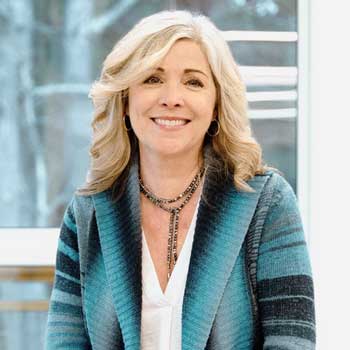
BARBARA BARRON is one of the most respected and highly sought-after independent advancement professionals in the country, having worked with dozens of schools in every corner of the United States.
She has raised over $20 million for schools where she served as the Director of Development. Barbara is a New York Times bestselling author, speaker, and presenter who currently advises dozens of schools in various capacities. She is considered a thought leader in the world of advancement, with her writing widely shared by professionals in development offices worldwide.
More Advancement Articles
- How Can We Make the Advancement Office a Great Place to Work?

- How Can You Partner With Your Admissions Office Without Stepping on Toes?

- How Can We Increase Our Giving Levels?

- How the 2026 Mid-Term Elections May Impact Our Fundraising & What We Can Do About It

- Success Story #4

- What Can We Do About Our Changing Parent Donors?