by Barbara Barron | Posted January 21st, 2026 | Subscribe to this newsletter

Regular readers know that I am a huge proponent of the value of good stewardship.
It goes way, way beyond thanking donors in prompt and accurate ways. It is the storytelling of how a donor’s gift was put to good and actionable use. What difference their generosity made. Did we show (not tell) the impact it had? The impact it had on the things our donor cares most about?
Wait. Do we even know what that donor cares most about?
Probably not.
The problem with traditional and generic fundraising is it uses a broad brush. Appeal letters list 25 ways an annual fund gift is used. When we do that, any discerning reader wonders: “My $1,000 did all that? I doubt it.” Add a zero or even two to the gift amount and it’s still not credible.
The dreaded generic thank you note is more the same. It lists ways that our gifts advanced the mission. If we’re lucky, one of the things we mention actually matters to the donor.
What if instead we knew? We knew because we had taken the time to get to know our donor and, more importantly, learn what they deeply care about in our program?
How to get from where we are to that sweet spot? By centering donor joy. By deciding that we are not just fundraisers but are something much more. We shift our perspective and therefore our strategy from doing things that benefit the school to doing work that helps create a meaningful, joyful experience for the donor.
Some time ago, a former colleague told me that her goal is to be a trusted advisor to her donors. I loved that. I want that, too! To be a trusted advisor to you and my clients. And don’t you want that? Most of us get into the work of school development and advancement because we thrive on rewarding relationships. Shifting our attention to looking for ways to create joy for our supporters is like an infusion of energy towards that intention.
OK. Are you feeling curious about this — but not sure how to actually do it?
Have you subscribed to this newsletter yet? It only takes a minute.
Starting questions
First, we start with good questions. These questions will help us get to know what really matters to those we serve (the donor). I’ve written about using a set of prompts to have deeper and more meaningful conversations. I have presented this work at several conferences and have conducted training for school Boards to show them how to use them in their important cultivation work.
Here are some fresh ones that get to what a donor cares about at our schools.
- You have been such a generous supporter of our school. Can you tell me what about our mission is most important to you?
- Are there things we’re doing that you’d love to see amplified?
- Are there programs that you believe could have a bigger impact if they were more resourced?
- Who in your life was influential in how you think about giving? Please tell me about that person.
- What would you love your legacy to be?
Once we know more about donor motivations and the things that light them up, we can tailor our stewardship to reflect that. Tracking our updates and reports over time, we will show them how their sustained generosity has not only made a difference to the school and its people but to them in their goal of experiencing deep meaning. We will build a “portfolio of impact” for them. And, yep, provide joy.
Our stewardship needs to be designed to reflect who they are, their identity. Not just what we accomplish with their generosity.
Shifting your priority
Years ago, I had the good fortune to collaborate with a trustee who was passionate about building the school’s planned giving program. He convinced me to make this a priority. Together we expanded the number of individuals and couples who included the school in their estate plans.
The result for the school was clear: a future enriched by the generosity of people who will not see their gift realized in their lifetimes. But for this trustee and donor, he was forever changed by how his work reflected his values, his identity.
This kind of stewardship work is next to impossible when we aren’t staffed or organized for it. It’s impossible when the development office is working away in their silo and communication office in theirs. It’s impossible when the defining metric to our success is “participation rates” and telling the tired story about funding the “gap.” There’s no joy there, my friends.
This shift in priority can have another really powerful outcome.
It helps us do what we have long wished our various giving circles would do: create a community of people that share values. Values they see are alive and well in our school. It’s that notion of social norms – the things we collectively believe are important and that guide our behavior.
What if we gathered all the families we know care passionately about supporting teachers’ professional growth? And the families who are huge supporters of our arts programs? The families who want to ensure that the school is sustainable in the future come what may? Once our community has been gathered, our standard recognition events will have no choice but to change. They will be about celebrating and reporting on what donors’ love, not just their gift amount.
In the end, it’s not really about how great our school is. Our families are enrolled because they already know that. Rather than asking them to support us because we’re terrific, let’s seek to find out what they love best about our school and ask them to support that. And then it’s on us to show them in large but mostly small ways, in acts that surprise and delight them, that what they care about most matters to us, too.
Not easy. But clear. And clearly better.
As always, thanks for everything you’re doing.

Barbara Barron
[email protected]
Share this post:
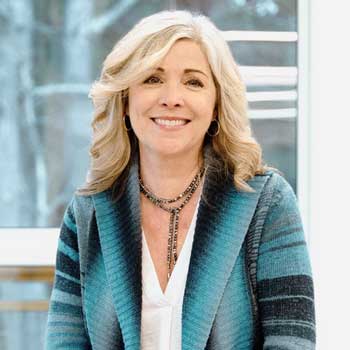
BARBARA BARRON is one of the most respected and highly sought-after independent advancement professionals in the country, having worked with dozens of schools in every corner of the United States.
She has raised over $20 million for schools where she served as the Director of Development. Barbara is a New York Times bestselling author, speaker, and presenter who currently advises dozens of schools in various capacities. She is considered a thought leader in the world of advancement, with her writing widely shared by professionals in development offices worldwide.
More Advancement Articles