by Barbara Barron | Posted March 18th, 2026 | Subscribe to this newsletter

As I wrote earlier, I was a presenter at two conferences this winter: Southern Independent Schools Association or SAIS (https://sais.org) in Chattanooga and for the second year, The Small School Leaders Conference, hosted by the great people at Easy School Marketing (https://www.easyschoolmarketing.com).
That second one was remote. It featured a panel of Heads and another of advancement pros (friends and colleagues!) and a packed line up of offerings from marketing to enrollment management, development to governance issues. I encourage you to check them out and plan to attend next February. (https://www.easyschoolmarketing.com/conference).
My session was about readiness for a capital campaign. This is a much sought-after topic, and I’ve been honored to present my experience at several conferences. Here’s a popular article on the subject (https://www.barbarabarron.com/how-can-you-know-if-your-school-is-prepared-for-a-capital-campaign).
One of the readiness factors is indeed about metrics. What are we measuring and is that information leading you to have confidence that your school is prepared to launch a campaign? Is your annual giving growing, flat, or decreasing? Do you know? Do you know why?
Have you subscribed to this newsletter yet? It only takes a minute.
Getting Started
One of the back-of-the-envelope calculations that generally bears out in real life is taking your total annual giving raised and multiplying it by 5 times and 10 times. That is often the range that a school might consider for a campaign working goal. It’s also a helpful starting place when thinking about an ask amount or a range for a prospective donor.
But that’s just a start. The project itself is vital. Does it have the potential to bring a transformative impact to your school and its people and programs?
What about leadership? Is your Board prepared to do this important work? Do they have the training they’ll need to be successful and confident? Is your Head prepared to dedicate 40% of their time during periods of the campaign? Do you have the staff power for this? Do you have donors in your community who are engaged, connected, and have the financial means to be leaders?
Lots to consider. Often a good first step is to get an objective assessment (or as I call it, an appraisal) of the advancement program so you know the areas that are strong and can be amplified and the areas that are a bit wobbly or outdated. I can help you there.
So that’s a bit about my session. The session I wish to highlight here was from Jill Goodman (https://www.jillgoodmanconsulting.com). She spoke about metrics that are helpful vs. those that aren’t but keep hanging around. Chief among them is participation in the annual fund. I’ve been chirping about this for years and so wasn’t surprised to hear at both conferences how unhelpful a focus on this metric is. But it can be hard to get trustees and others to stop obsessing over it.
The truth is that the days of 100% participation from parents (or any other constituency except Board members) are over. Everyone I talk to and hear from reports the same thing: percentages are down and dollars are up. 80/20 is now 90/10 or even 95/5. That may be scary but it’s happening. It’s true for campaigns as well. A colleague reported that they have raised $9.5 M towards a $11M goal with just 73 gifts. Do the math.
So, what should we be tracking instead? Like Jill, I encourage my client schools to focus on new leadership gifts. New donors stepping in right away to those top giving levels. Also, those families increasing their gifts into those top levels. Are you asking them to do that? What is their motivation?
Also worth evaluating are your events. We know that events have the lowest ROI of all fundraising activities (personal solicitations in capital campaigns have the highest). Are you digging in to understand what you’re spending in dollars AND staff time to net what you do at your spring event? What about other events? You may find that what really moves the needle are small, inexpensive gatherings. If you don’t do the evaluation, you can’t know.
Finally, but primarily, what about stewardship? Do you have a sense of how many touches you are giving donors each year? Do you have a good system to track it? Not just the big splashy moments but the small and meaningful times we surprise and delight our supporters by showing them how their generosity is making a difference, having an impact. We may bemoan the slip in participation but one upside is it is getting ever clearer who we need to be spending time with.
What we focus on persists and increases. Gratitude is the center of the work. I’m here to help you refocus on what matters.
As always, I am grateful for all you’re doing.

Barbara Barron
[email protected]
Share this post:
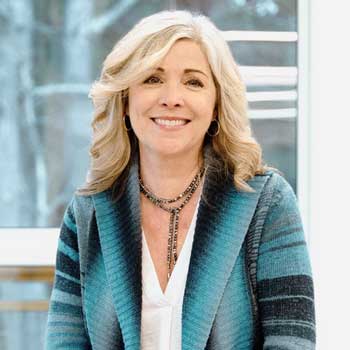
BARBARA BARRON is one of the most respected and highly sought-after independent advancement professionals in the country, having worked with dozens of schools in every corner of the United States.
She has raised over $20 million for schools where she served as the Director of Development. Barbara is a New York Times bestselling author, speaker, and presenter who currently advises dozens of schools in various capacities. She is considered a thought leader in the world of advancement, with her writing widely shared by professionals in development offices worldwide.
More Advancement Articles